


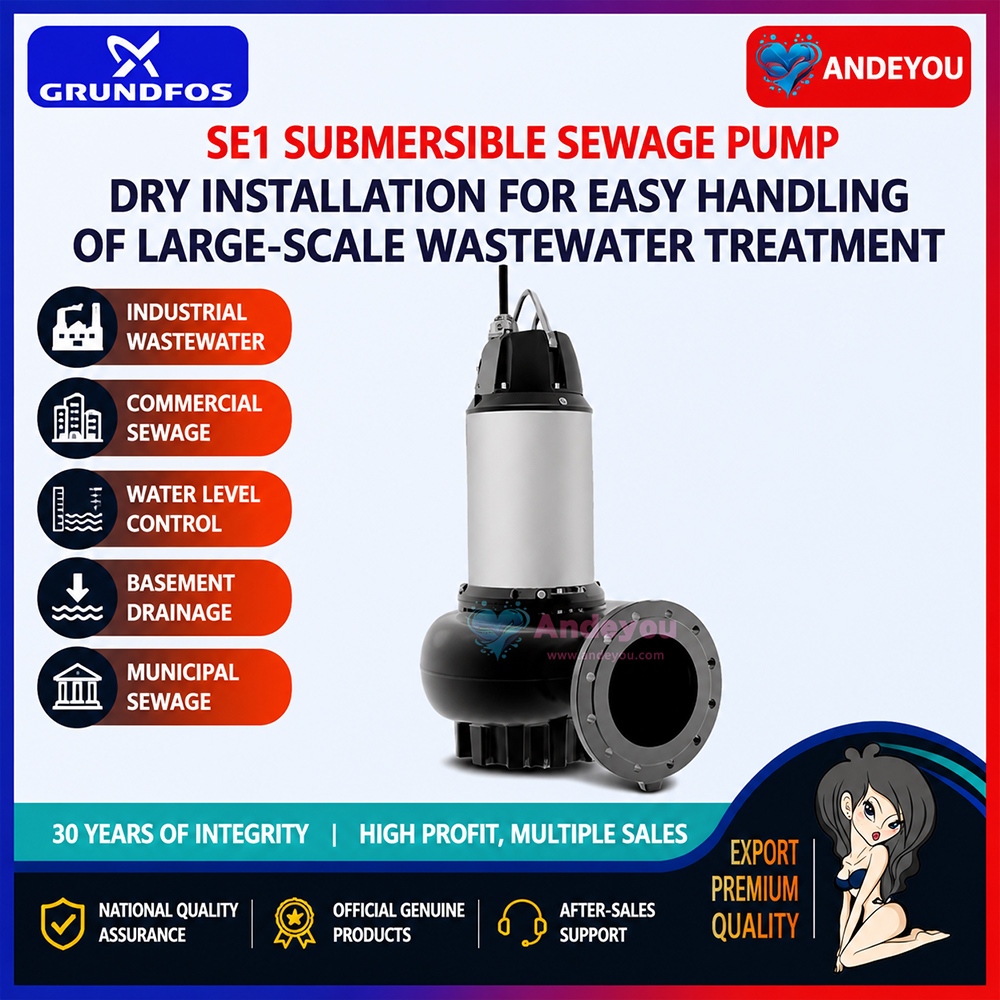
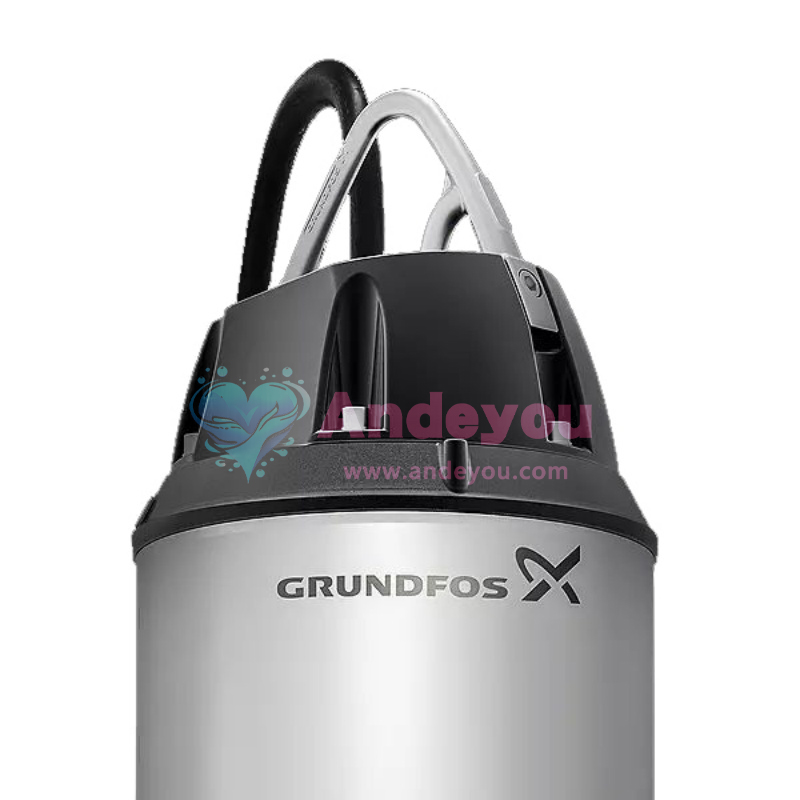
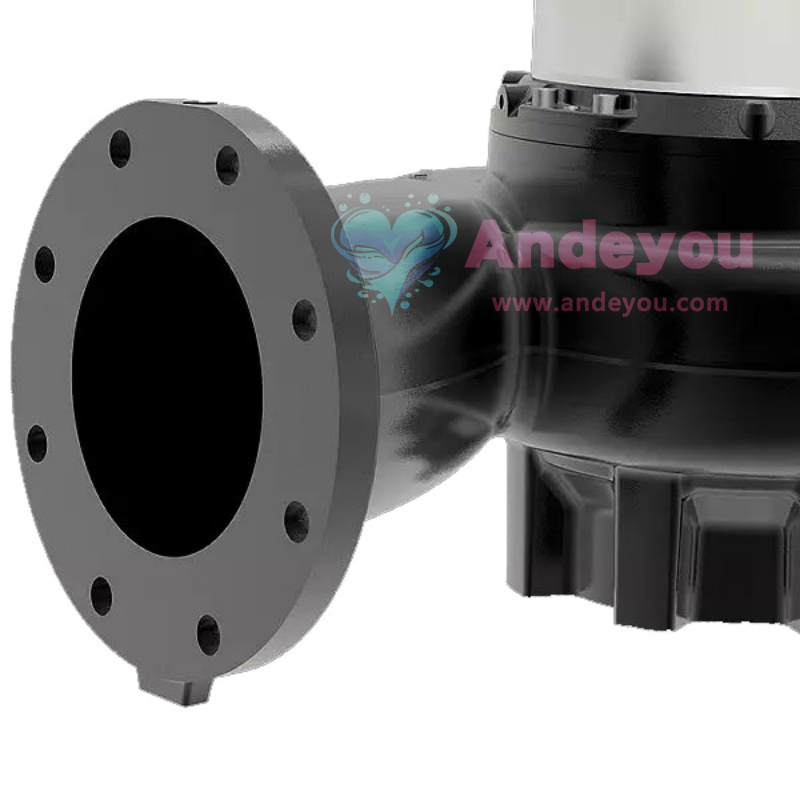
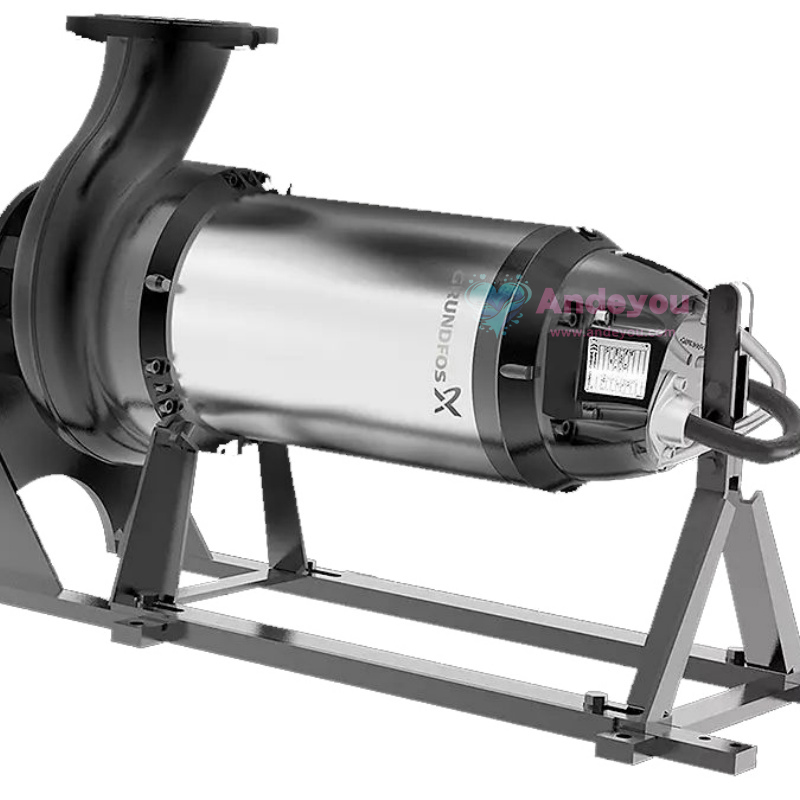
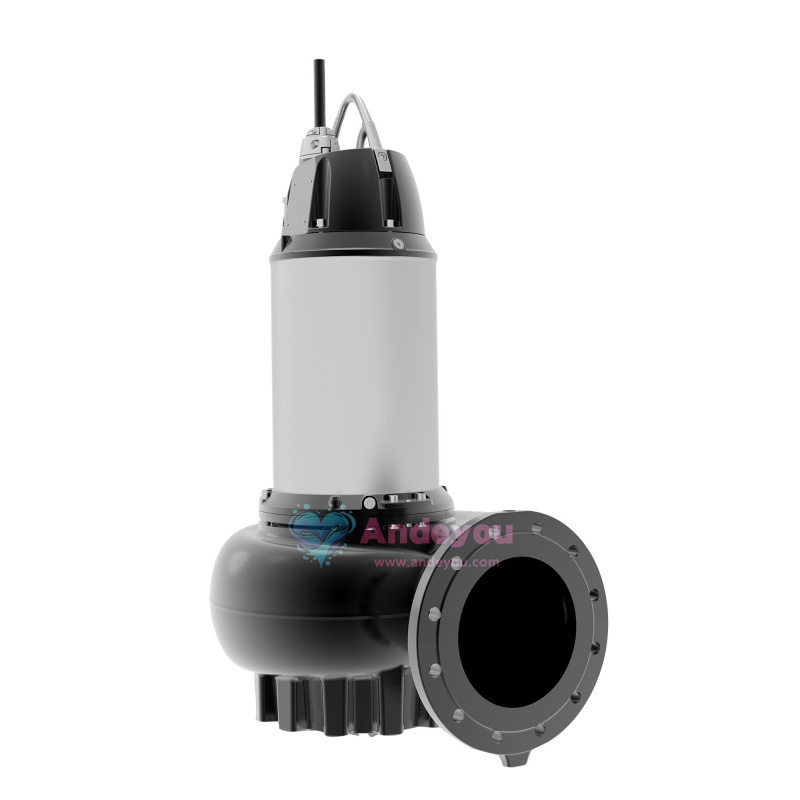
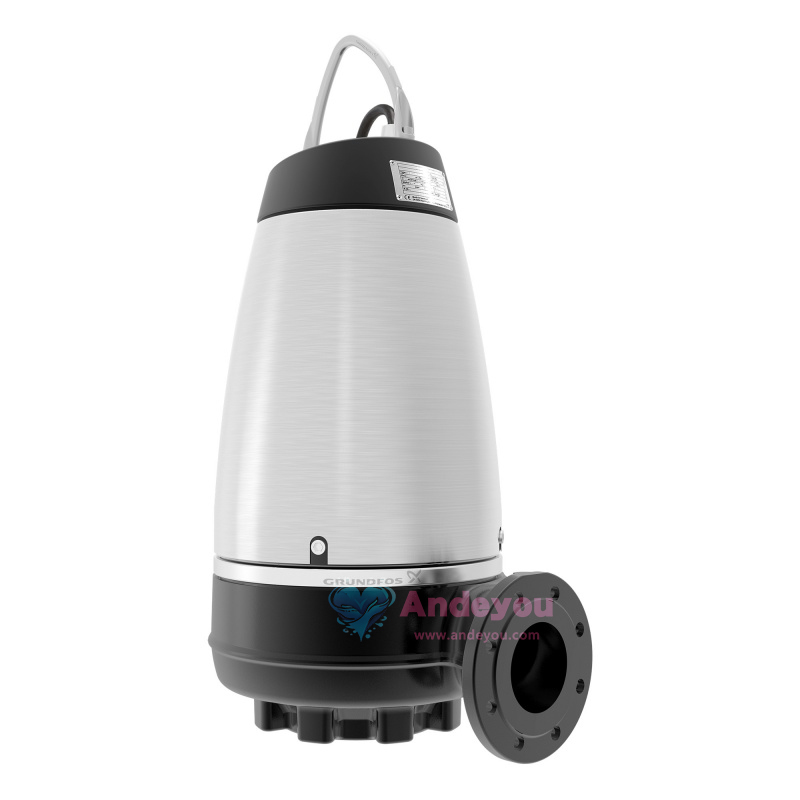
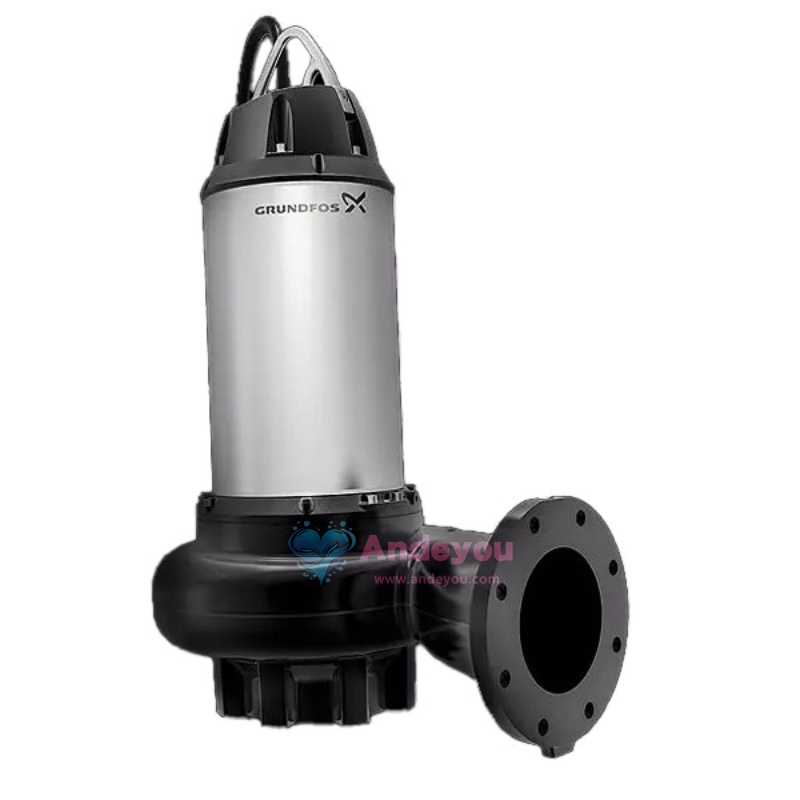
The following is a description of the Grundfos SE1 series dry submersible sewage pump (municipal and industrial applications):
I. Core Features
Explosion-proof design
Certification Standards:
Europe: CE 0344 II 2 GD, EEx dc IIB T4/T3 (with inverter), IP68 protection, maximum temperature resistance 135°C/200°C
Australia: Ex nA II T3 (IEC 79-15 standard)
Safety Restrictions: Only non-explosion-proof personnel are permitted to replace pump casing, impeller, sealing rings, and other components. Other repairs must be performed by an authorized factory.
High-efficiency hydraulic performance
Power range: 1.1 kW to 11 kW (two-pole/four-pole motors optional), adaptable to different flow requirements.
Rack size: B/C/D type, matching power (e.g., 2.2 kW corresponds to type B rack).
50 Hz three-phase power supply, voltage tolerance -10%/+6% (Australia ±10%).
Dry motor design
The motor is completely isolated from the pumped liquid, preventing sewage intrusion and extending its service life.
Built-in thermal switch (automatic power off at 150℃, resumes power after cooling).
II. Key Components and Maintenance Features
Durable Structure
Impeller and Pump Casing: Removable and replaceable; wear-resistant ring design reduces wear.
Shaft sealing system: dual mechanical seals, with an oil chamber design to monitor the sealing status (Shell Ondina 917 lubricant needs to be changed regularly).
Intelligent Monitoring
Water Content Sensor in Oil: Real-time detection of engine oil status (3.5-22 mA signal output), triggering an alarm if water is insufficient or water has entered the oil.
Humidity switch: Normally closed NC design, cuts off power when moisture enters (requires replacement).
Modular maintenance
Specialized tools (such as wear ring presses, stator guides, etc.) simplify the disassembly process (see tool list).
Service Interval: Every 3,000 hours or annually; intervals should be shortened when handling contaminated or abrasive liquids.
III. Safety and Application Scenarios
Safety Specifications
Must be connected to a motor protection circuit breaker (e.g., Grundfos CU100 control box); operation in explosive environments is strictly prohibited.
Downhole installation requires professional training and the use of protective equipment (protection against toxic gases/sewage).
Typical Applications
Municipal: Wastewater treatment plants, stormwater drainage.
Industrial: Transport of fluids containing particles or corrosive substances (e.g., chemical industry, mining).
Applicable fluid temperature: Up to 135°C (standard model) or 200°C (VFD-compatible model).
IV. Troubleshooting and Precautions
Common Faults:
Impeller blockage (requires cleaning), incorrect rotation direction (swap two power phases), unstable voltage (must remain within ±10% tolerance).
Refer to the troubleshooting chart for details (e.g., thermal switch tripping may be caused by excessive fluid viscosity).
Transport and Storage: Can be stored vertically or horizontally; for long-term storage, change the oil and inspect the shaft seal.