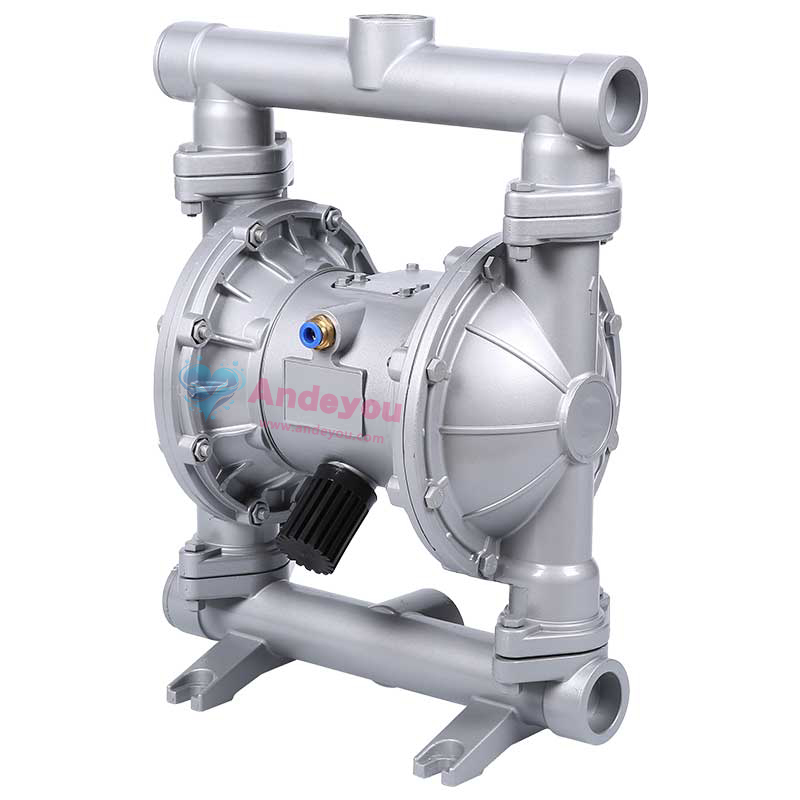
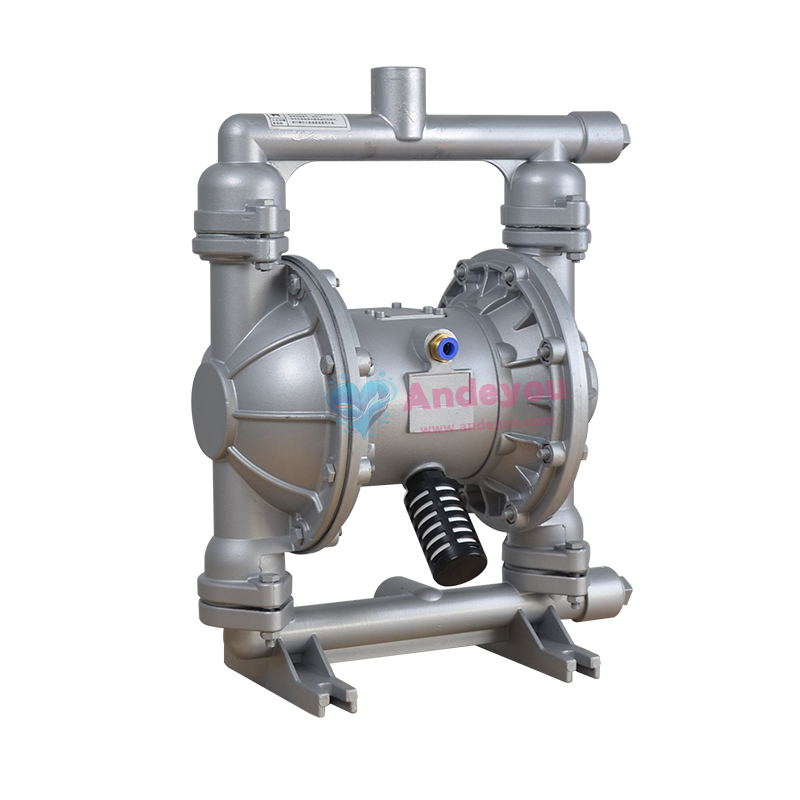
I. Product Overview
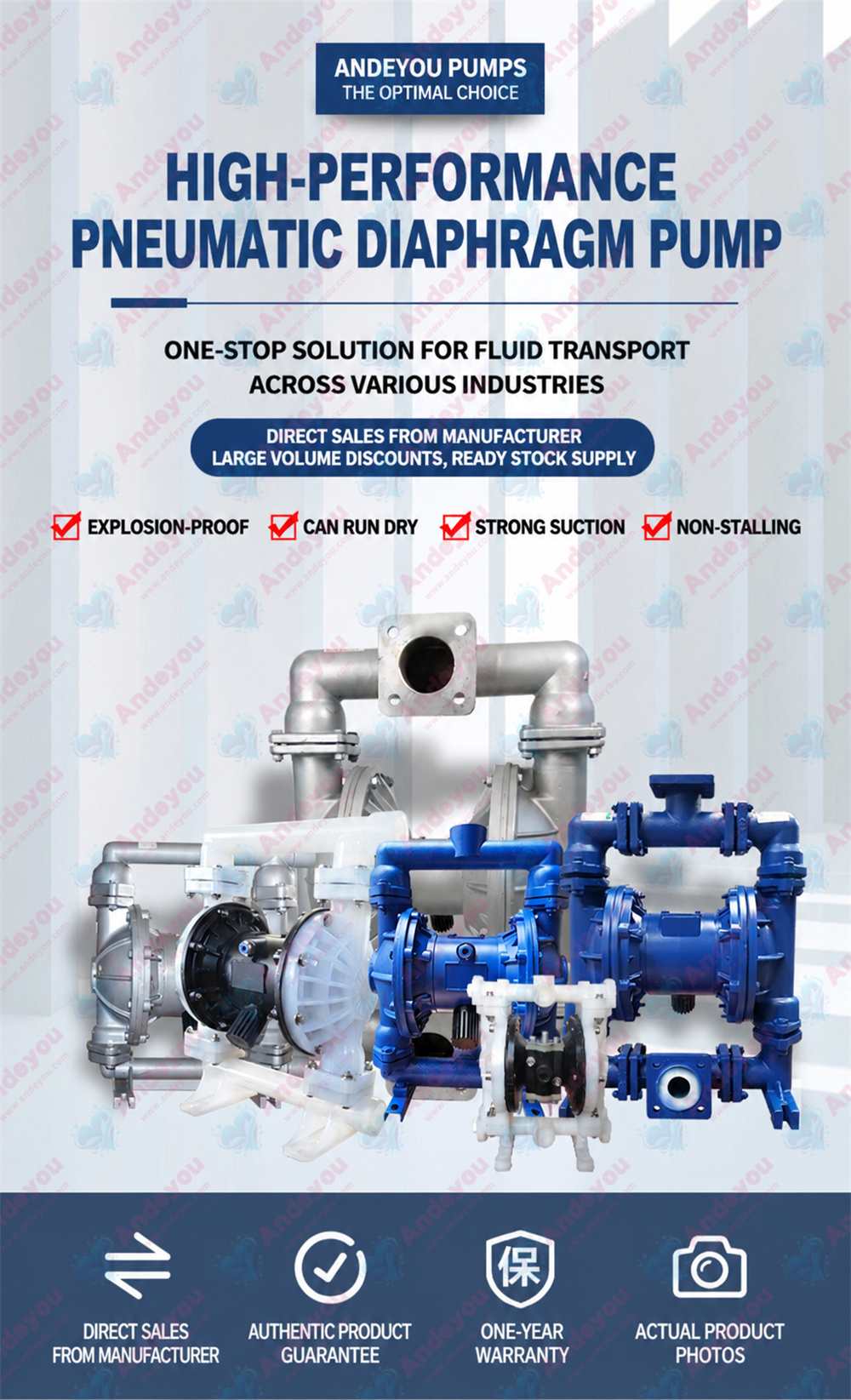
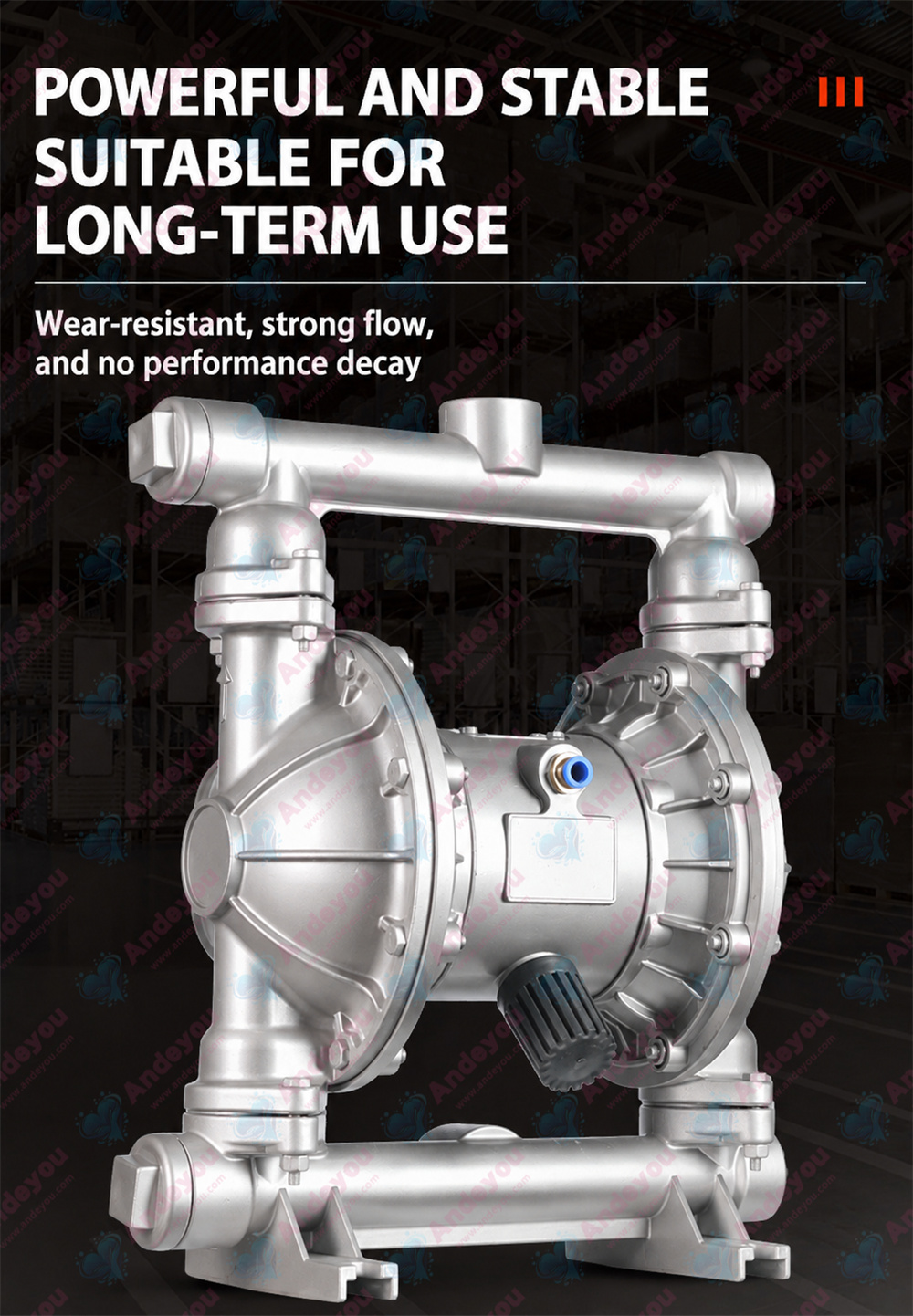
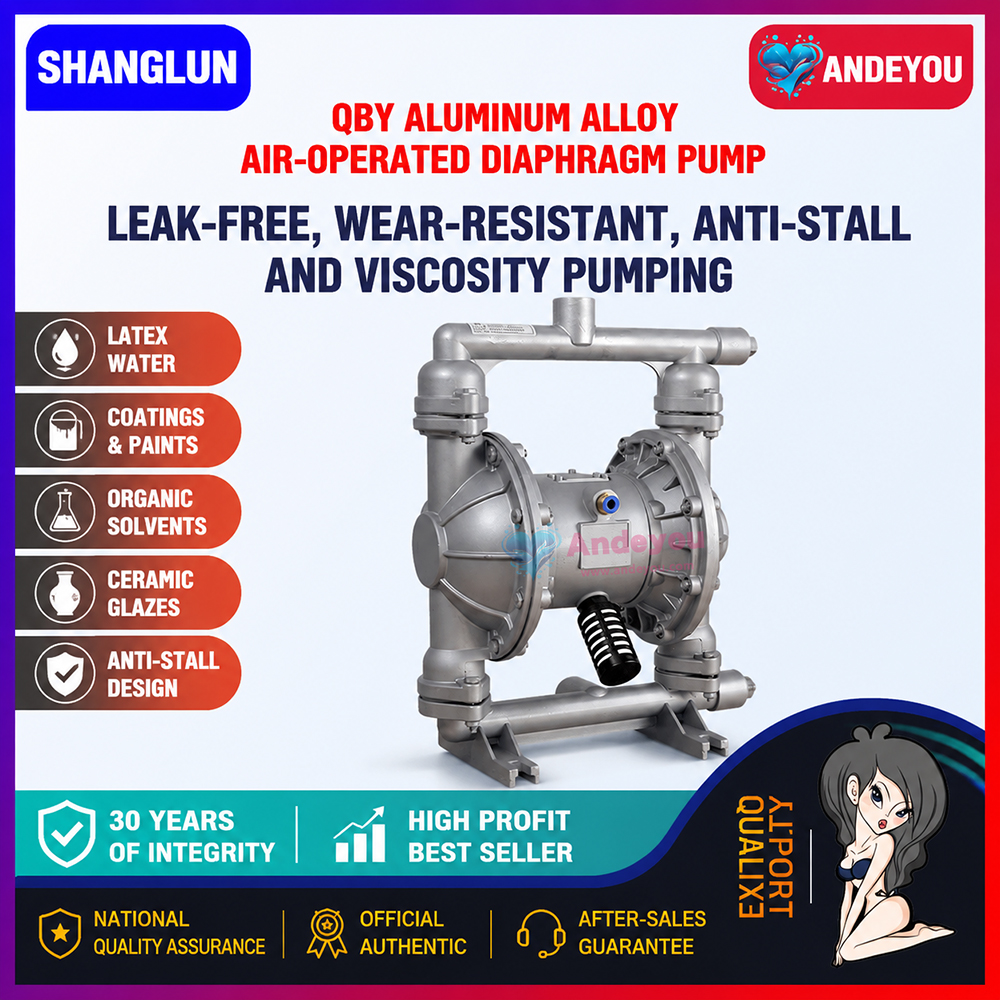
The QBK aluminum alloy pneumatic diaphragm pump is a high-efficiency, durable fluid transfer device. Constructed from high-strength aluminum alloy, it features a lightweight design, corrosion resistance, and explosion-proof safety. It is widely used in industries such as chemicals, environmental protection, electroplating, food processing, and pharmaceuticals, and is particularly suitable for transferring flammable, explosive, high-viscosity, particle-laden, or corrosive media.
II. Key Features and Functions
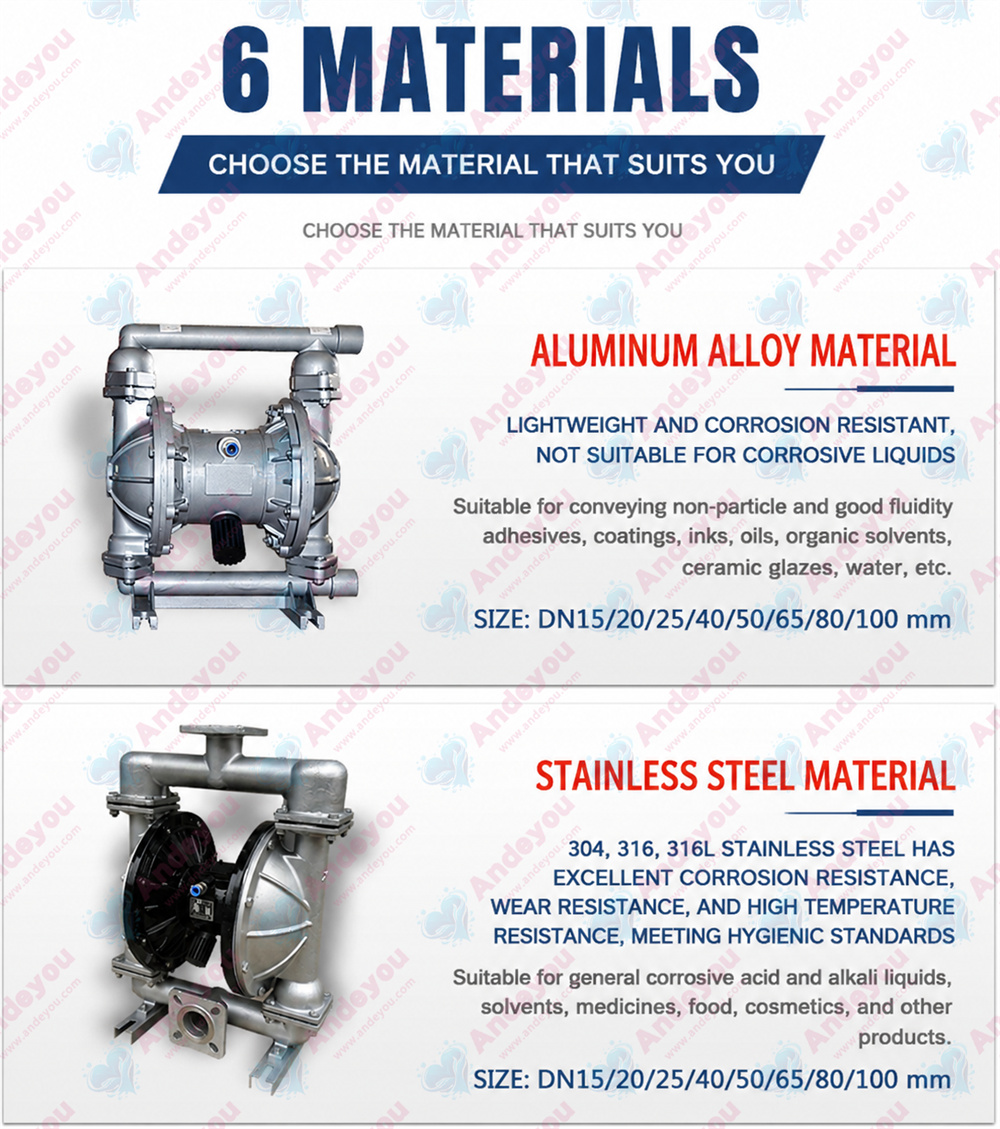
Lightweight, High-Strength Aluminum Alloy Construction
The pump body is cast from high-quality aluminum alloy; it is 30%–50% lighter than traditional cast-iron pumps, making it easy to move and install.
It offers excellent corrosion resistance, making it suitable for handling weak acids, weak alkalis, and certain organic solvents.
Pneumatic Drive; Safe and Explosion-Proof
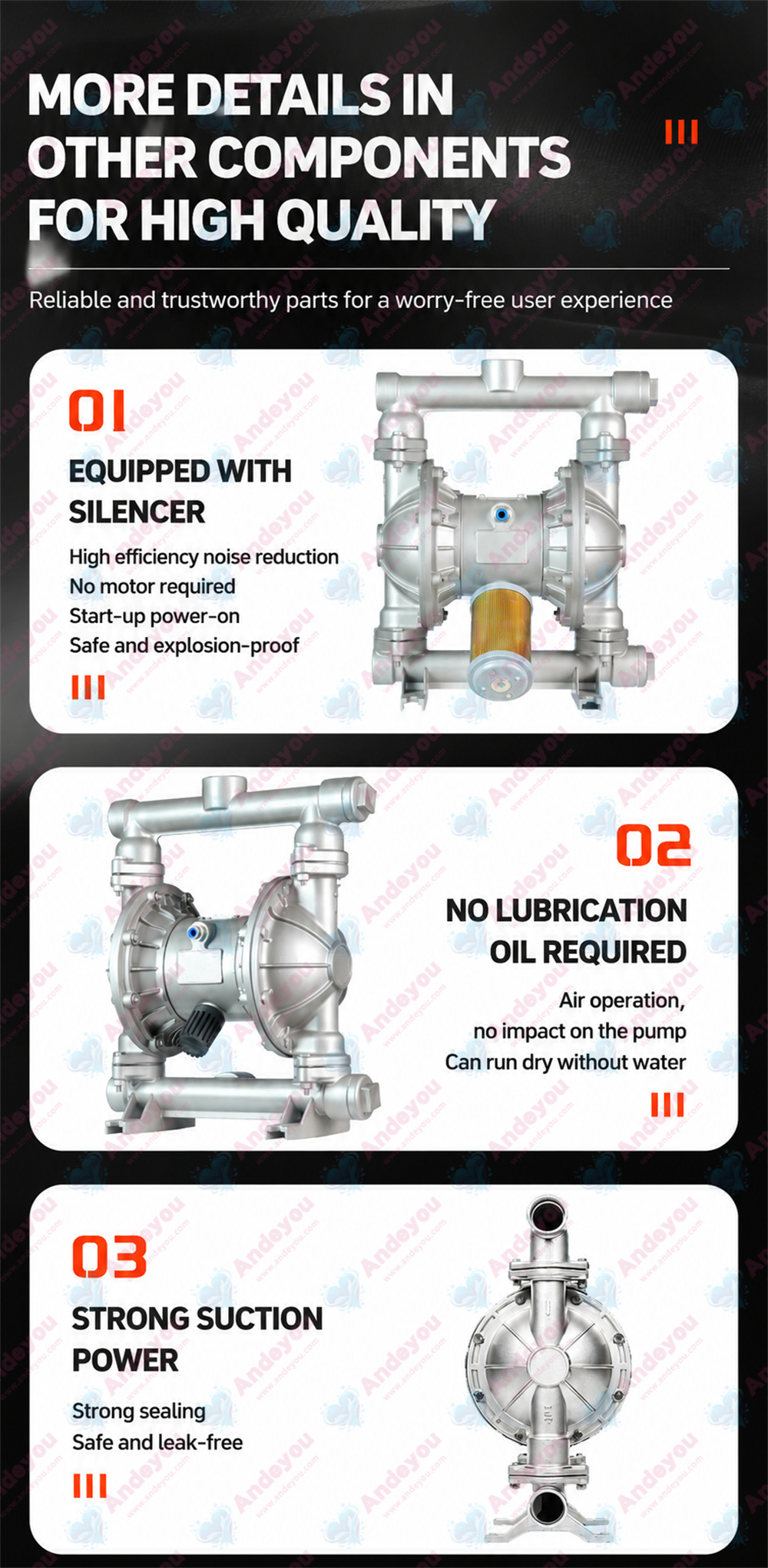
Driven by compressed air rather than electricity, it fundamentally eliminates the risk of electrical sparks. It complies with ATEX explosion-proof standards and is suitable for flammable and explosive environments (such as the petroleum, chemical, and spray-painting industries).
The motor-free design ensures stable operation in harsh conditions, such as high-humidity or dusty environments.
Leak-Free Operation with Strong Self-Priming Capability
Utilizing pneumatic diaphragm technology, the medium is completely isolated from moving parts, ensuring a leak-free operation suitable for transferring toxic, hazardous, or high-purity liquids.
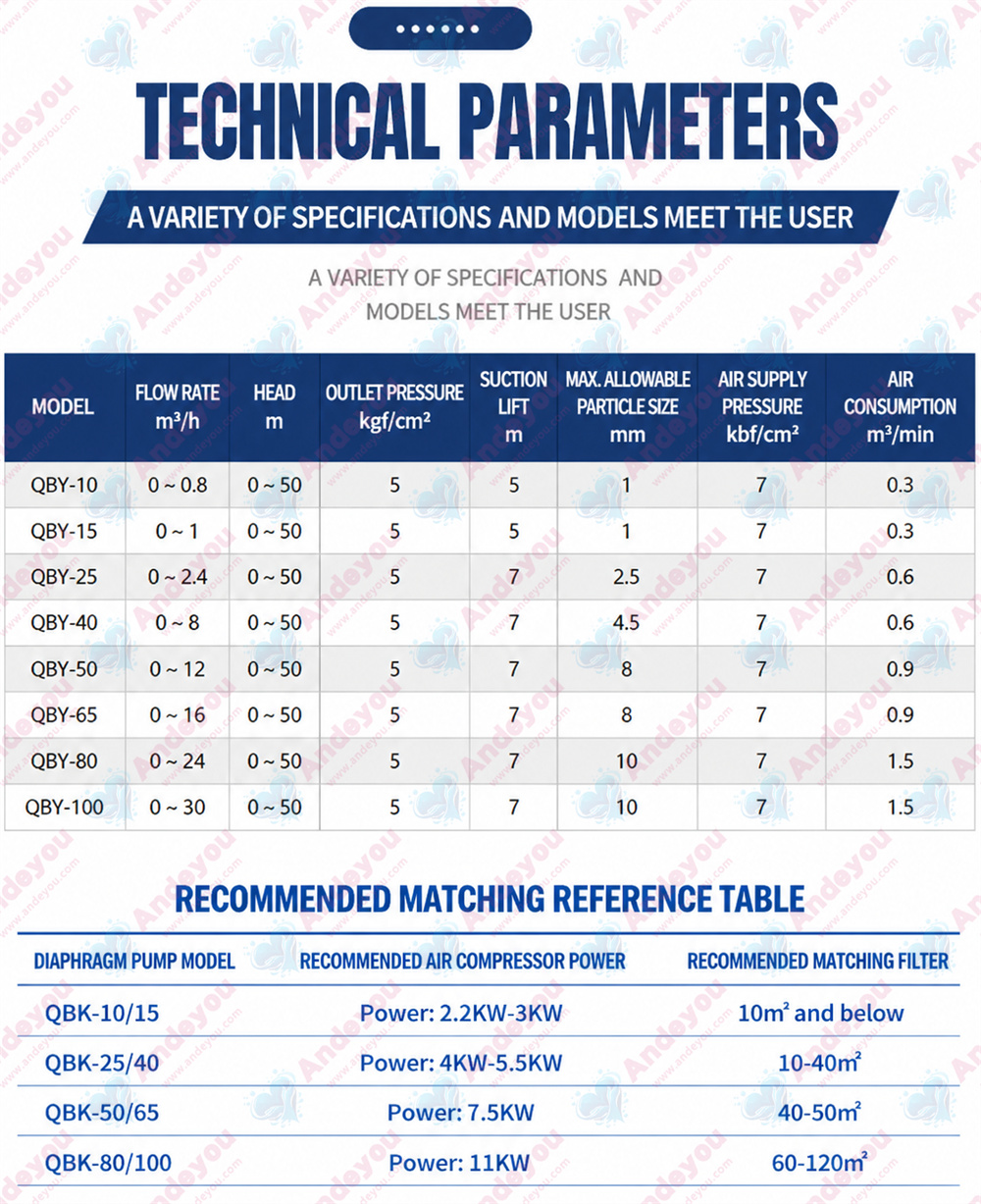
It features a self-priming lift of 5–7 meters; no priming water is required, suction begins immediately upon startup, and the pump is not damaged by dry running.
Wear-Resistant; Handles Complex Media
Capable of transferring liquids containing solid particles (up to 10mm), high-viscosity fluids (up to 10,000 cP), and media that crystallize or contain fibers.
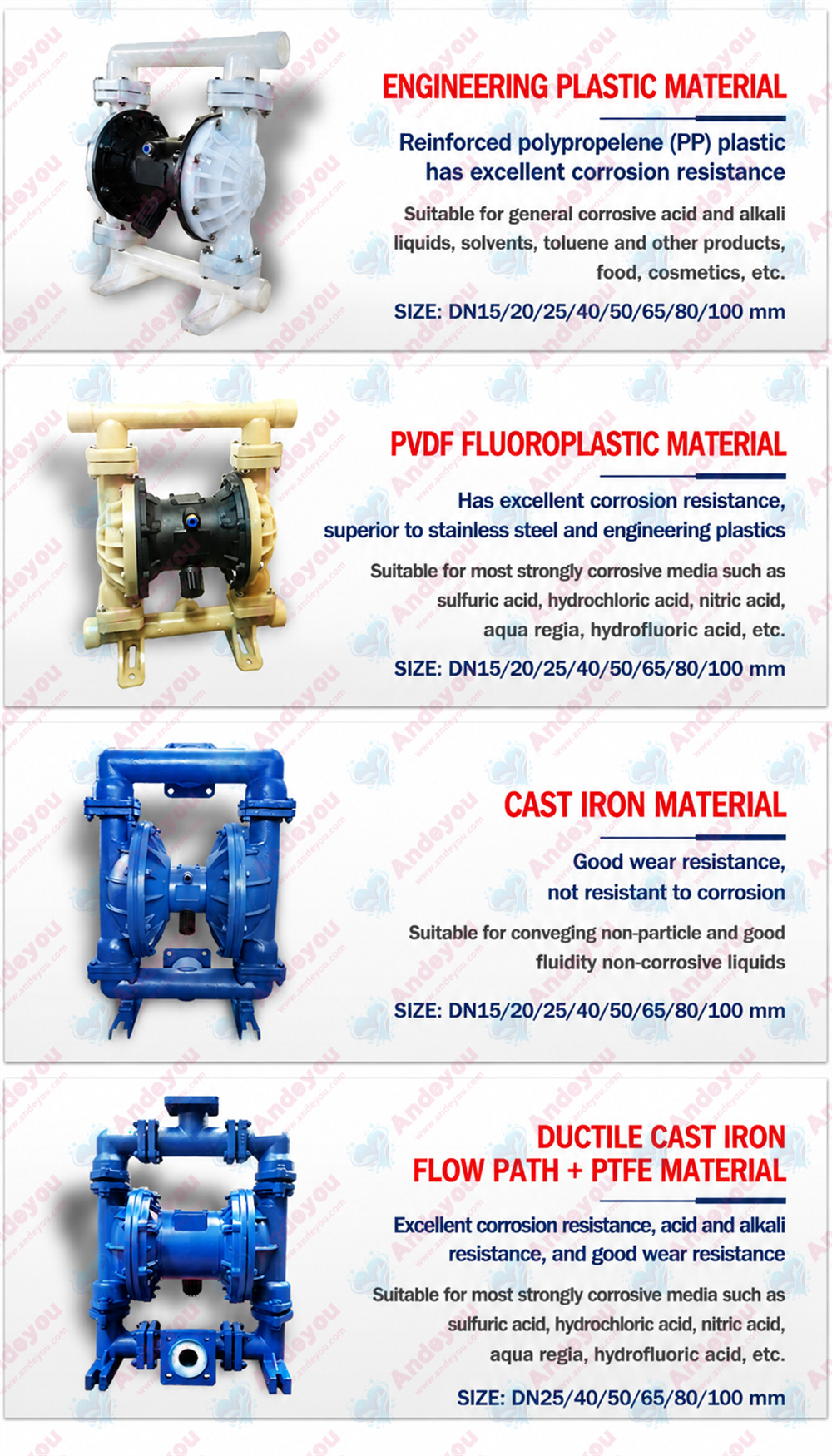
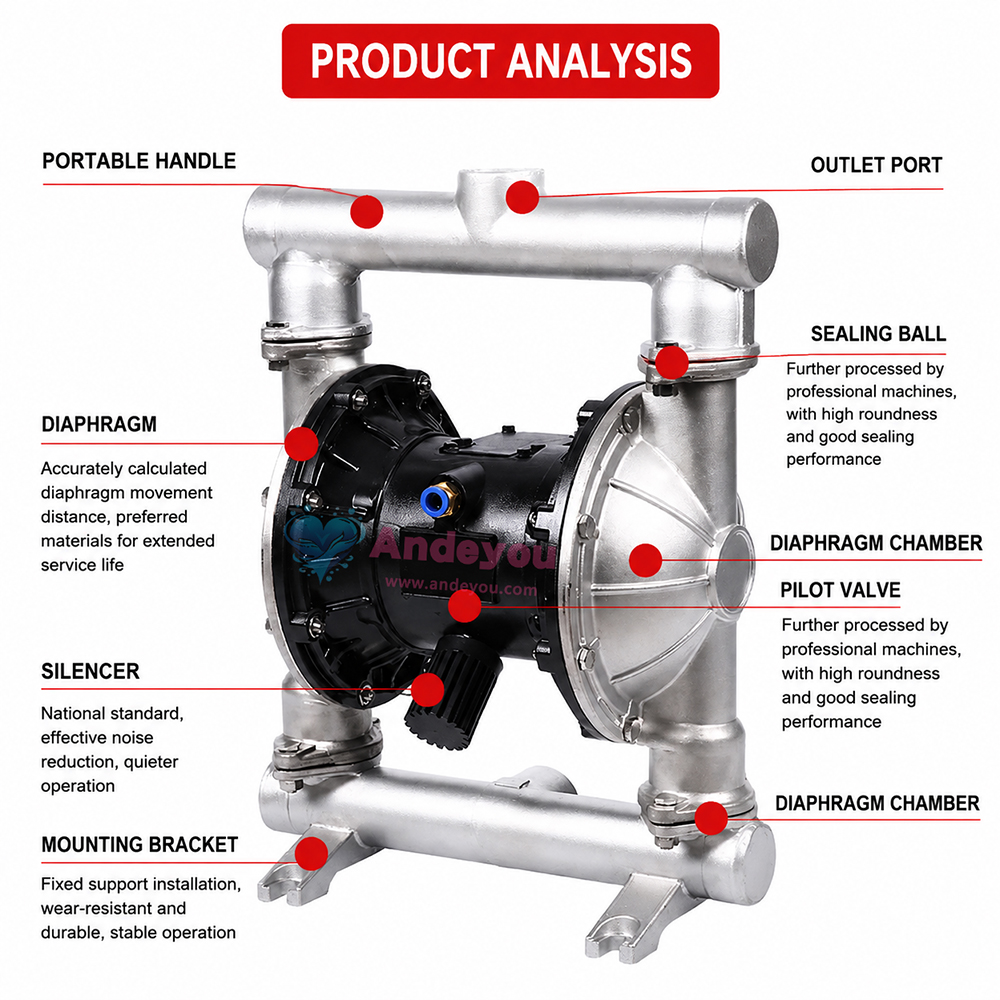
Diaphragms are made of high-strength engineering plastics or fluoroelastomers, offering wear resistance, corrosion resistance, and a long service life.
Adjustable Flow Rate; Simple Operation
Flow rate and discharge head can be controlled by adjusting the air inlet pressure (0.2–0.8 MPa), allowing for stepless speed regulation to meet various operating requirements.
Start/stop operations are controlled simply by toggling the air supply; no complex procedures are required, resulting in low maintenance costs.
Compact Structure; Easy Maintenance
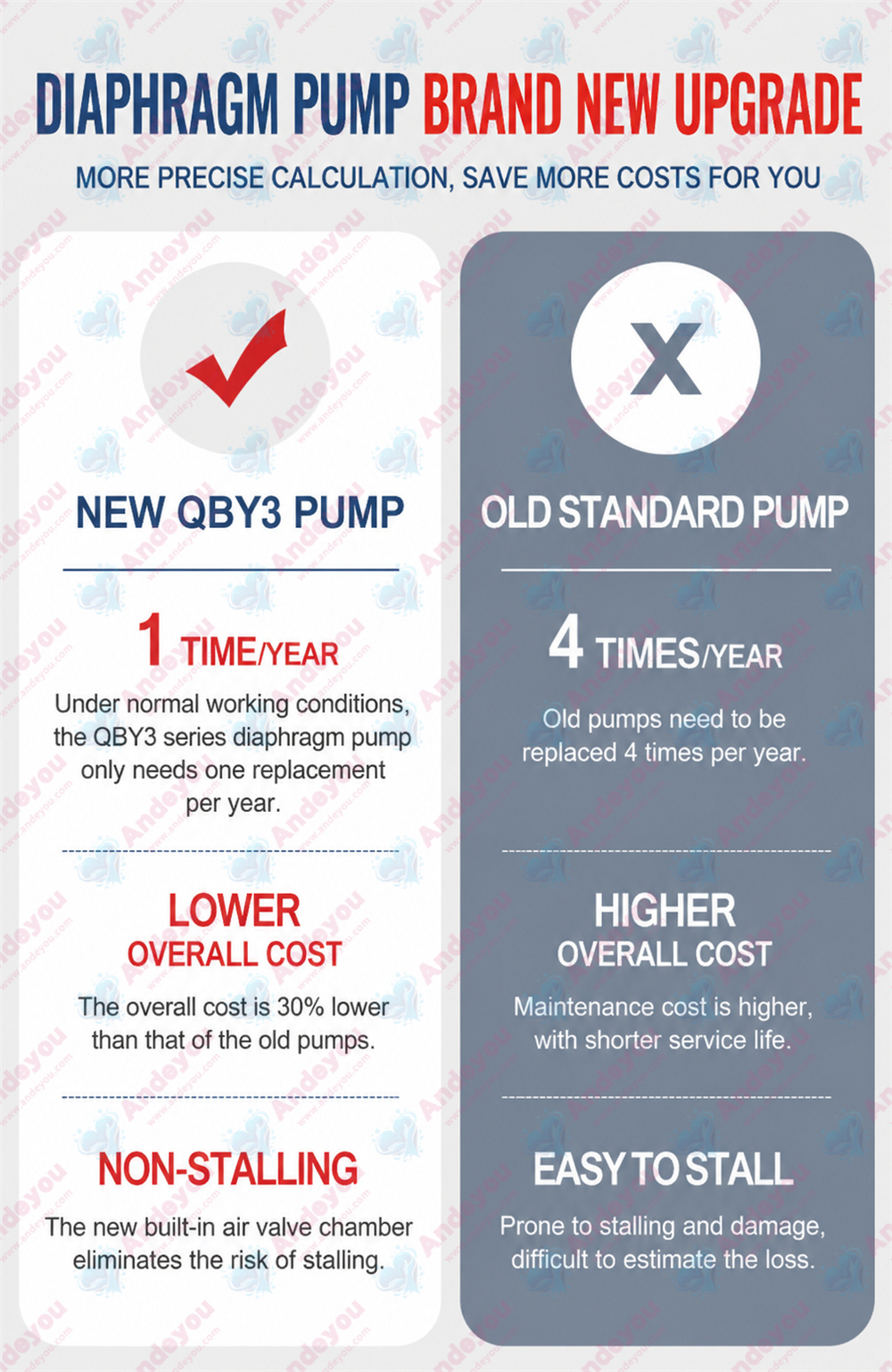
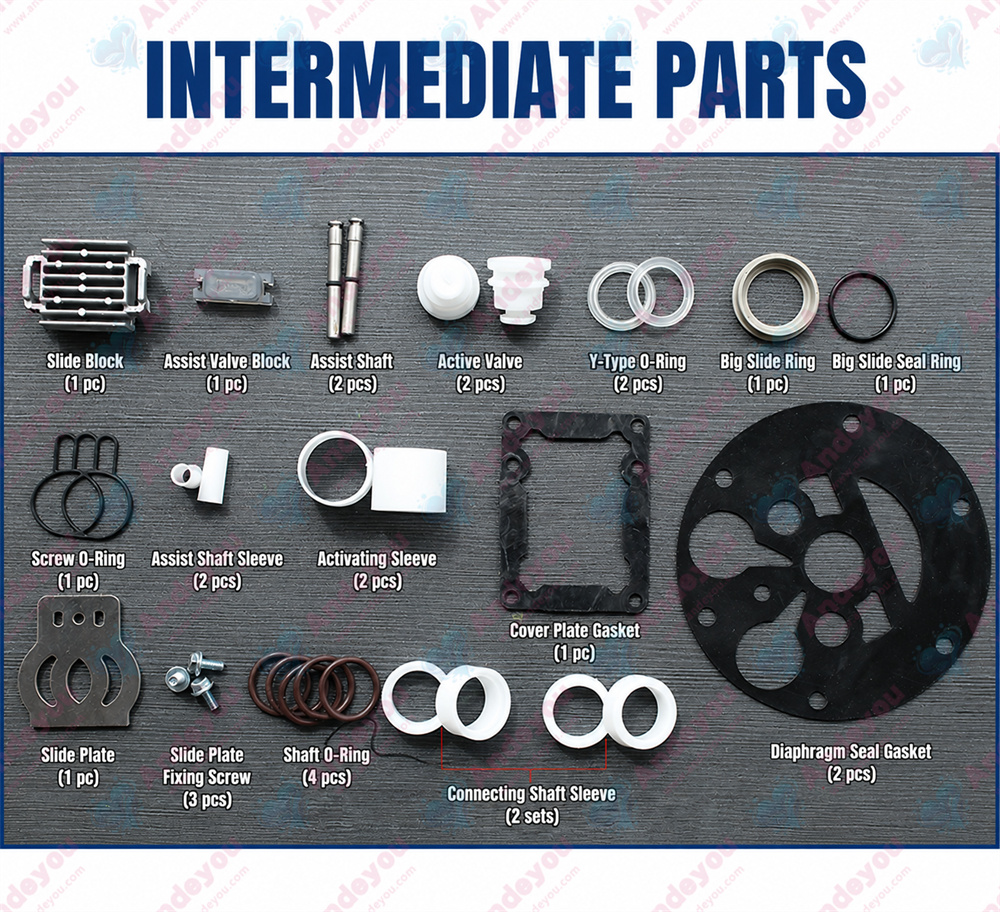
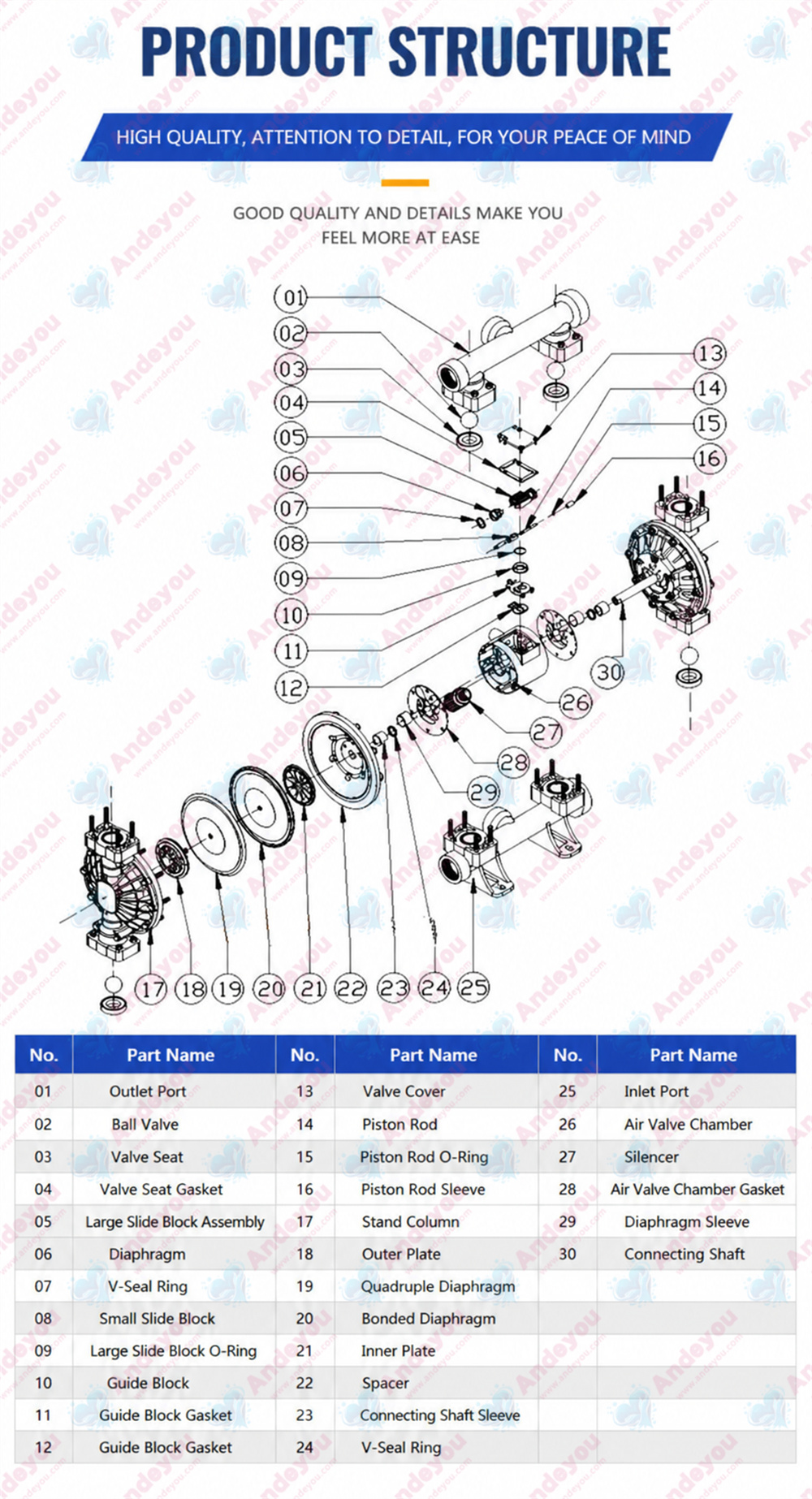
Features a modular design with few wear parts; replacing components such as diaphragms or ball valves takes only minutes, significantly reducing downtime. Features stable operation and a low failure rate, with no vulnerable components such as mechanical seals or bearings.
III. Typical Application Scenarios
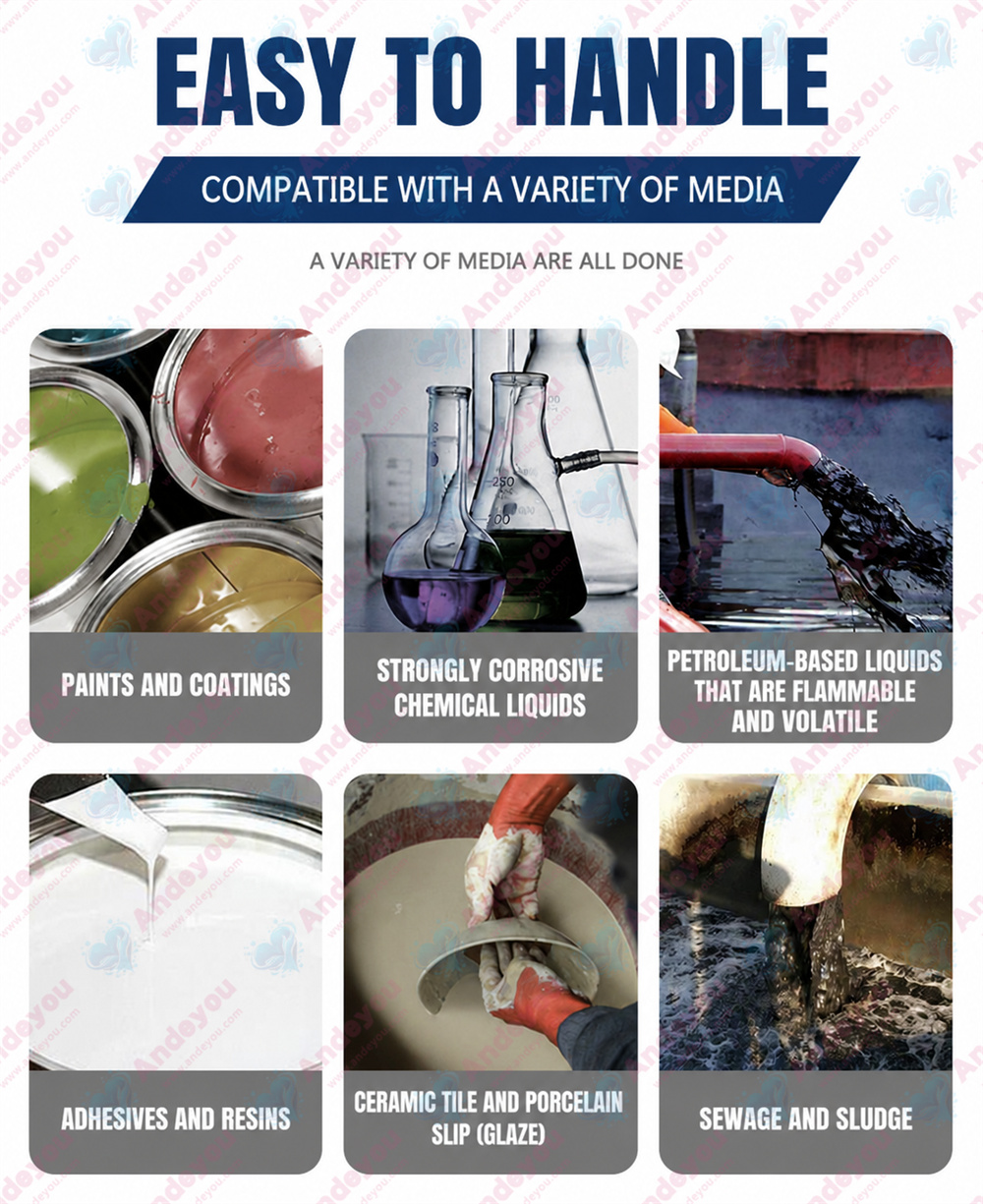
Chemical Industry: Transporting corrosive media such as acids, alkalis, solvents, coatings, and resins.
Environmental Protection: Wastewater treatment, sludge transfer, waste liquid recovery, etc.
Electroplating Industry: Acid/alkali solution circulation and electroplating fluid transfer.
Food & Pharmaceutical: Transporting media with high hygiene requirements, such as jams, syrups, and medicinal liquids.
Mining/Construction: Transporting particle-laden liquids like slurry, mortar, and cement grout.
IV. Summary of Product Advantages
✅ Safety & Explosion-proof: Motor-free design; suitable for hazardous environments.
✅ Corrosion & Wear Resistance: Constructed from aluminum alloy combined with engineering plastics or fluoroelastomers; compatible with complex media.
✅ Leak-free & Self-priming: No need for pump priming; capable of dry running; easy maintenance.
✅ Adjustable Flow Rate: Flow can be regulated via air pressure to meet varying operational needs.
✅ Lightweight & Durable: Low weight and long service life; suitable for mobile operations.
With its lightweight design, explosion-proof safety, corrosion resistance, and high adaptability, the Shanglun QBK aluminum alloy pneumatic diaphragm pump is an ideal choice for industrial fluid transfer, particularly suited to the demanding operating conditions of the chemical, environmental protection, and food industries.