Introduction to the Working Principles and Required Equipment for Agricultural Drip Irrigation Technology
In agriculture, crops are commonly irrigated using flood irrigation, sprinkler irrigation, and drip irrigation.
Flood irrigation: Directly flooding the farmland
Sprinkler irrigation: Spraying water upward through sprinklers to simulate rainfall
Drip irrigation: Delivering water drop by drop directly to the roots of crops
This article focuses on drip irrigation. Drip irrigation technology is widely used in modern agriculture. First, we will analyze the advantages and disadvantages of drip irrigation.
Principle of Drip Irrigation and Fertigation:
Drip irrigation is a water-saving irrigation technology in which pressurized water is conveyed through pipelines to lateral pipes and then delivered through emitters, openings, drip tapes, or other irrigation devices. The water is applied uniformly and slowly to the soil in the form of droplets to meet crop irrigation requirements. Under drip irrigation, only the soil directly beneath and close to the emitter becomes saturated, while the remaining soil stays unsaturated. Because only a small area of the soil surface is wetted, evaporation losses are effectively reduced, resulting in significant water savings.
Drip fertigation means applying soluble fertilizer together with irrigation water directly to the crop root zone, supplying the nutrients required for crop growth and development and thereby achieving integrated water and fertilizer management.
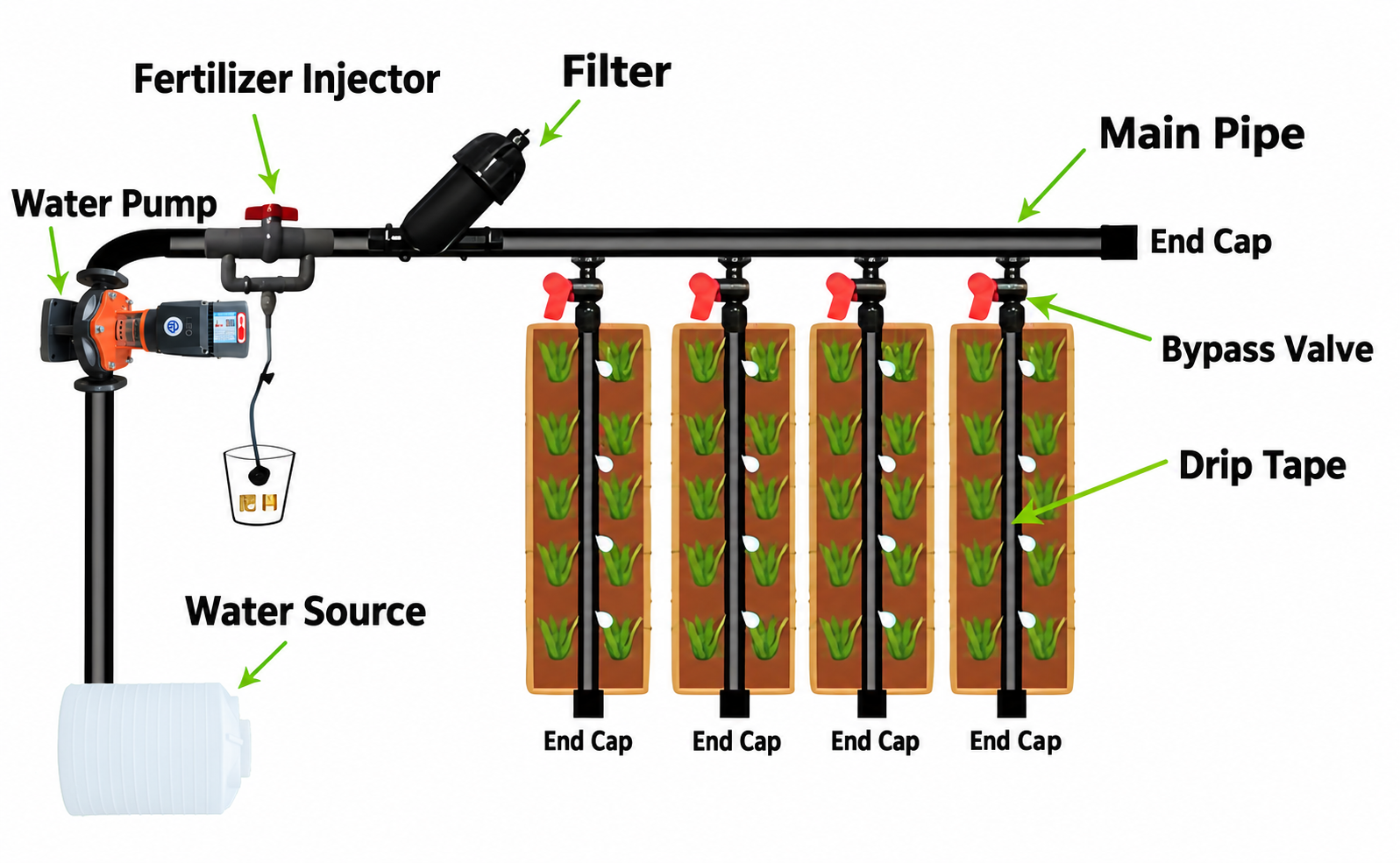
Advantages of Drip Irrigation:
1.Water saving; Water is conveyed directly through pipelines to the crop root zone for precise irrigation. Compared with flood irrigation, it saves 75% of water and reduces soil erosion and compaction. Compared with sprinkler irrigation, it saves 20% of water by reducing evaporation in the air and water sprayed onto non-target soil.
2.Higher crop yield; Drip irrigation can maintain an optimal water supply for crops. Through integrated water and fertilizer management, fertilizer can be delivered directly to the crop root zone. This precise application technology can increase crop yields by approximately 20%.
3.Improved soil and fewer pests and diseases; Drip irrigation improves soil aeration around crop roots. After water and fertilizer are applied, sufficient moisture and nutrients can be supplied, helping maintain stable soil moisture and a low-suction condition for crops. Evaporation from the irrigated soil surface is low, which helps preserve local humidity, reduce the probability of pests and diseases, and effectively reduce pesticide use. It also helps prevent soil compaction and maintain soil structure.
4.Labor saving; Weeds are less likely to grow, reducing the labor time and cost required for weeding. During field irrigation, workers do not need to remain in the field and can carry out other tasks.
5.Suitable for different conditions; Drip irrigation is not limited to plains. It can also be used to irrigate crops in mountainous areas, hills, basins, and even arid regions.
Disadvantages of Irrigation:
- High investment cost; Special pipelines and emitters must be installed, and the system also requires water pumps, fertigation equipment, filtration equipment, control equipment, main pipelines, branch pipelines, drip tape, valves, and other accessories.
- Regular maintenance required; The biggest technical issue with drip irrigation is that emitters are prone to clogging. Impurities in the water and fertilizer can block the emitters. Clogging can cause uneven irrigation and affect crop growth.
- Higher water-quality requirements; Effective filtration equipment should be selected according to the water source and fertilizer to prevent particles from clogging the emitters. Refined management is also required to avoid failing to achieve the expected water-saving effect because users lack awareness of water conservation.
- Soil-related issues; Long-term use of drip irrigation may cause salts to accumulate at the edge of the wetted zone and affect crop growth. Because drip irrigation supplies water locally, it may also restrict root development and cannot increase air humidity in the same way as sprinkler irrigation.
Main Equipment Required:
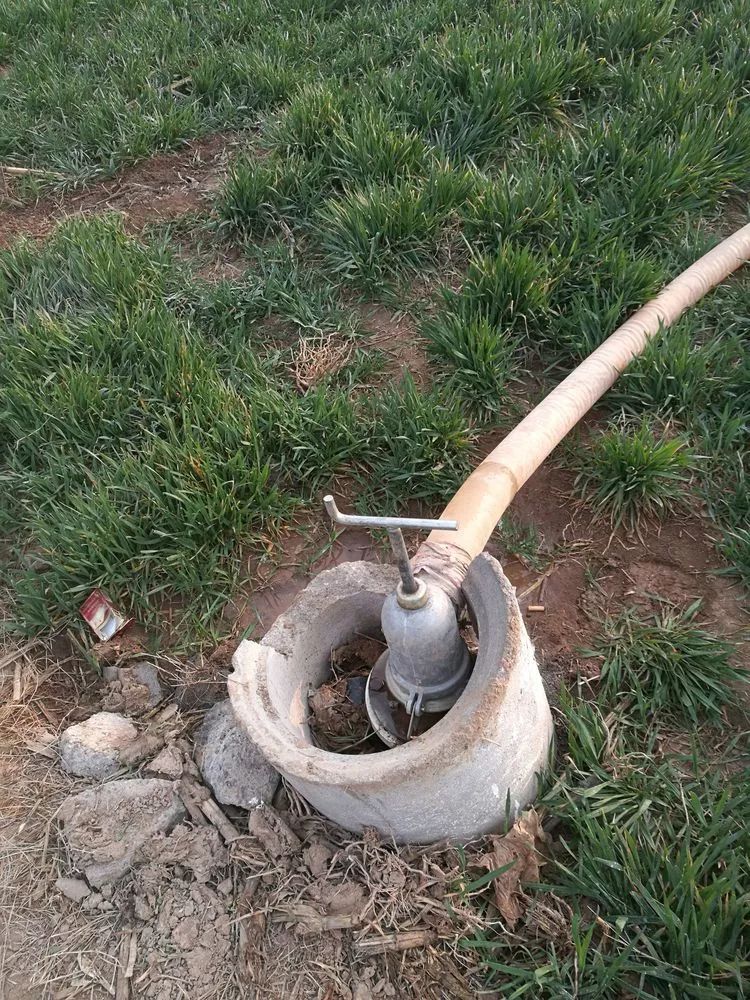
- River water or lake water; requires a submersible pump
- Tap water; requires a pipeline booster pump
- Well water; requires a deep-well pump
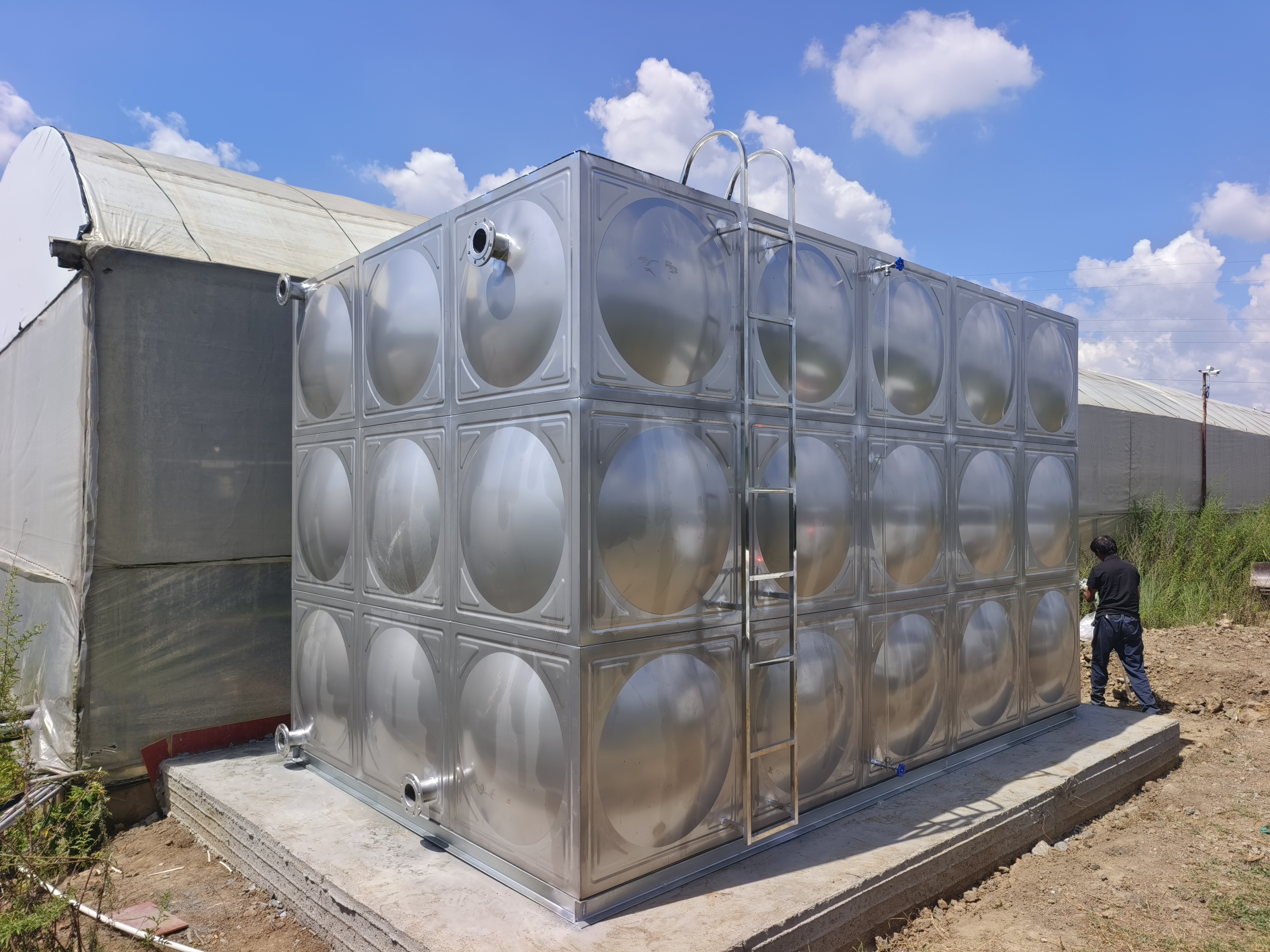
- Water storage tank; Optional, especially when using tap water with a low flow rate. It can also help ensure a stable water supply.
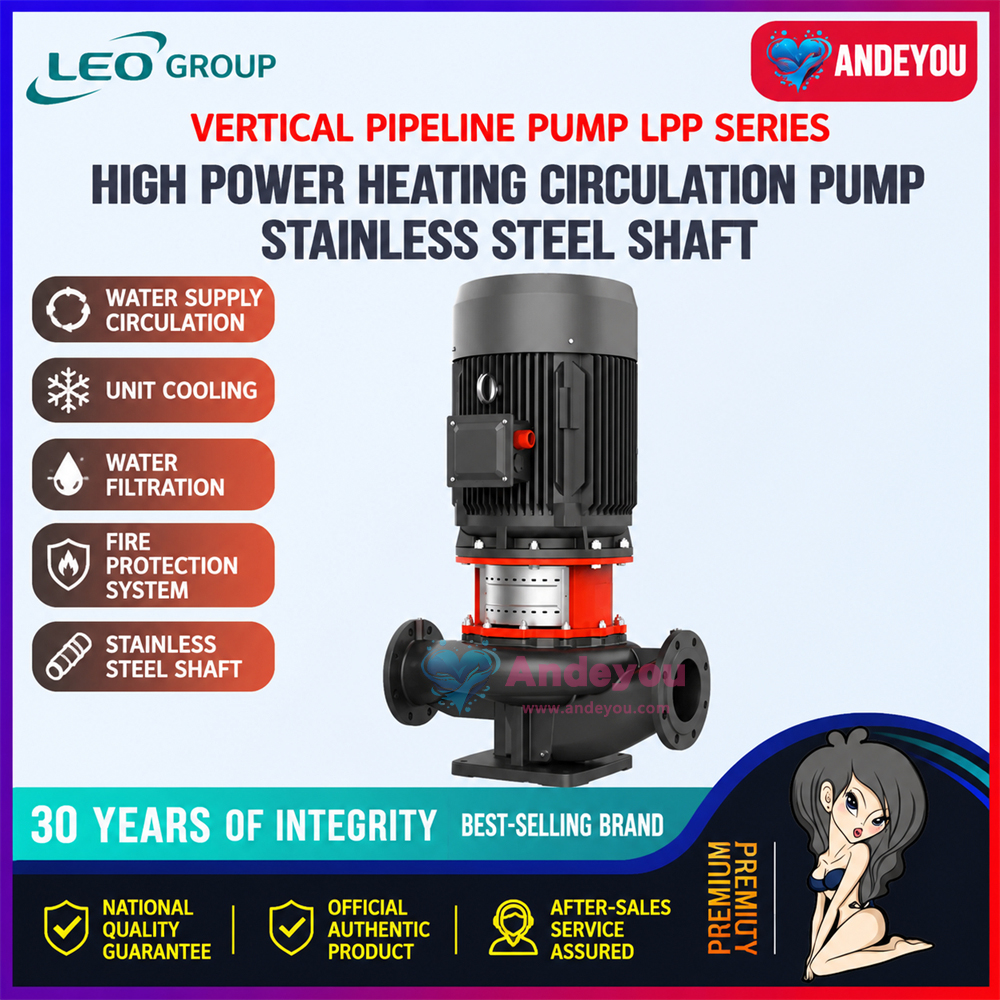
- Booster pump; Provides pressure. The recommended working pressure range is 02-0.25 MPa, and the pump head is approximately 20-25 m to ensure stable water delivery. Commonly used pumps include vertical inline pumpsand horizontal centrifugal pumps. A high flow rate is required, while excessive head is unnecessary.
- Centrifugal filter; Essential for preventing pipeline blockage. A screen-type filter may also be used to remove impurities from the water, such as sediment that could clog the emitters. The filter must be maintained regularly and impurities removed to ensure effective water filtration.
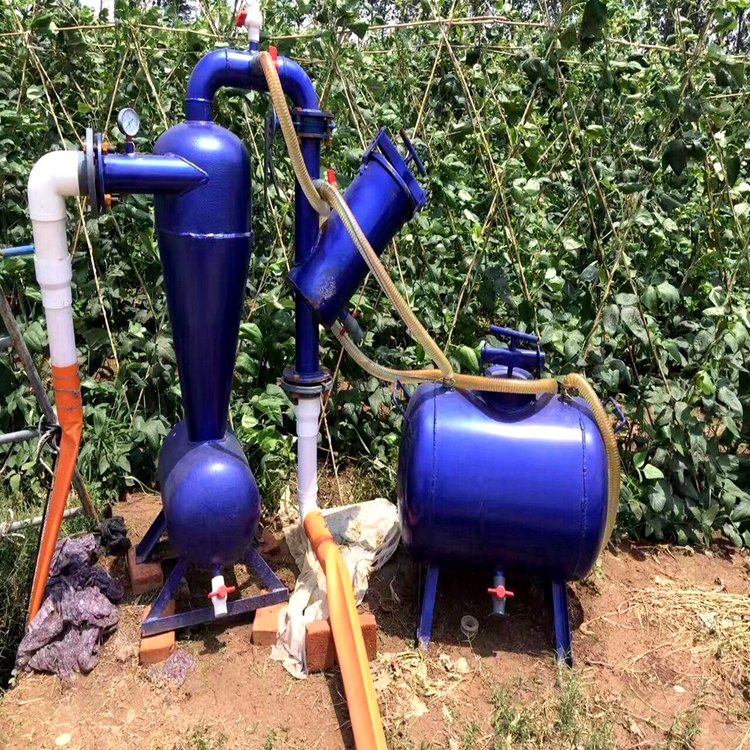
- Fertigation equipment; A fertilizer tank or integrated water-and-fertilizer unit dissolves soluble fertilizer and injects it into the irrigation water, enabling simultaneous delivery of water and fertilizer.
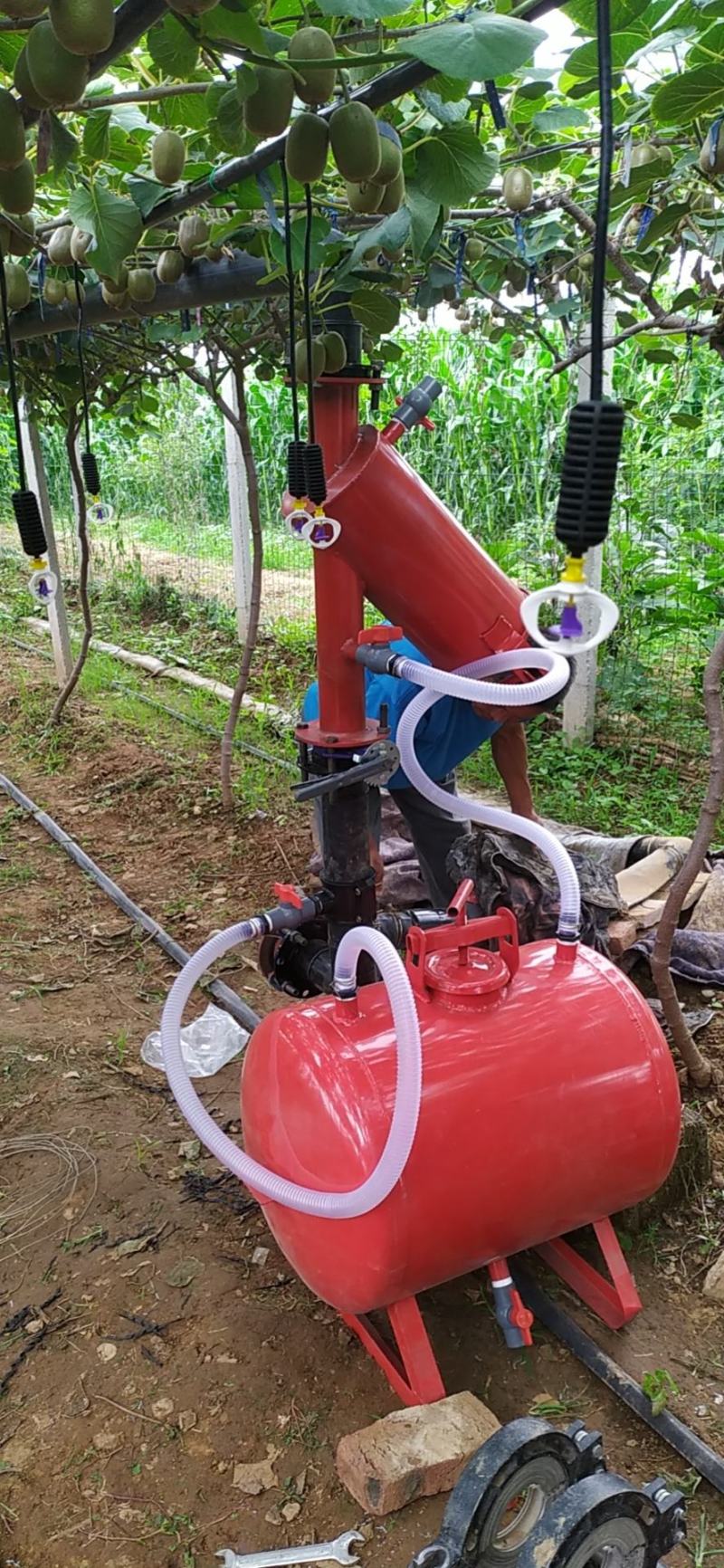
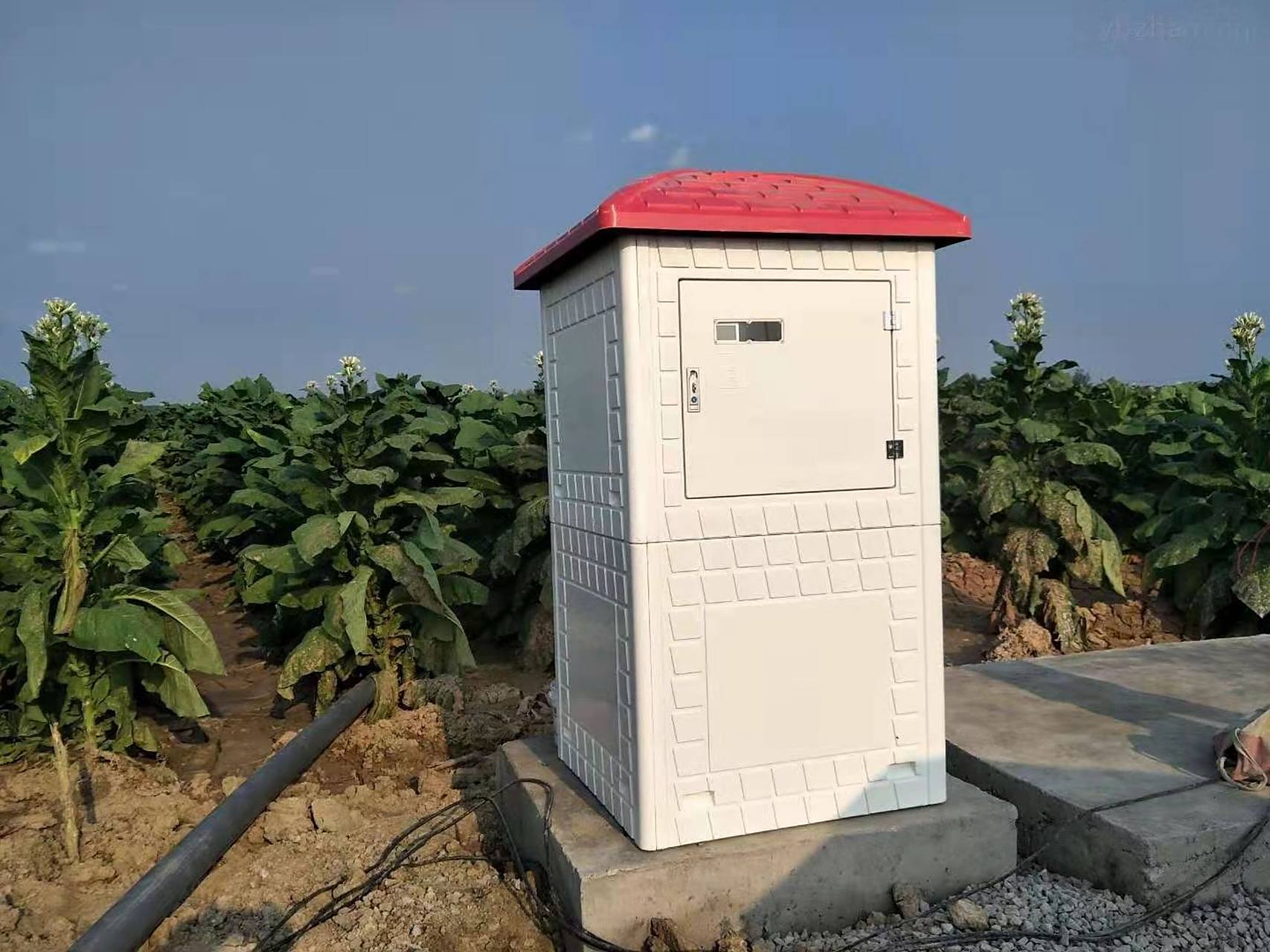
- Control equipment: Pressure controllers, safety valves, flow meters, and humidity meters can be selected according to site conditions to achieve energy savings and reduce the need for manual intervention.
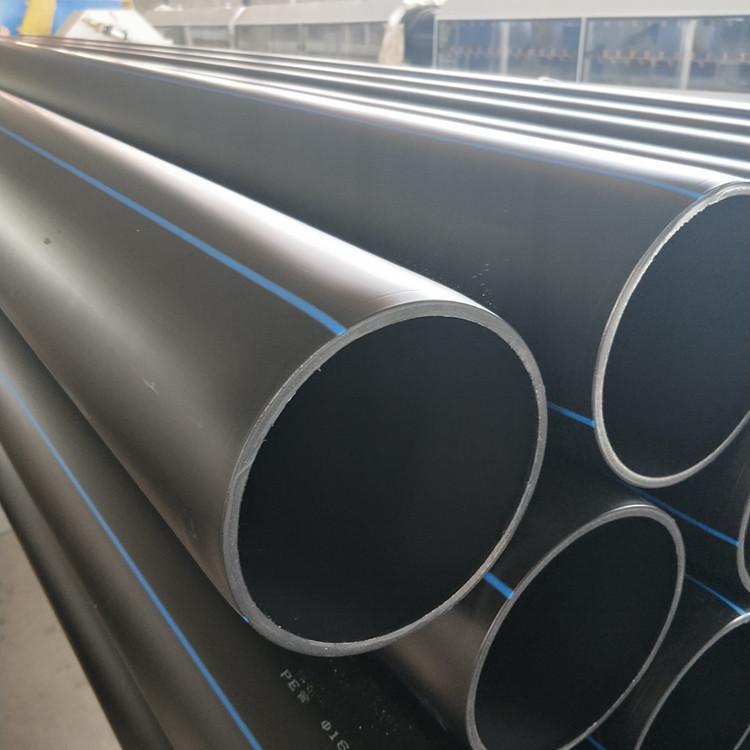
- Main pipeline; Connects the water source to the branch pipelines and mainly conveys high-pressure water. PE pipeis generally used because of its high strength, suitability for low-temperature conditions, and corrosion resistance. Pipe diameter should be selected according to the irrigated area and flow rate. For pumps with a flow rate of 5-25 m³/h and for small farmland or greenhouses, 63 mm PE pipe is recommended. For pumps around 40 m³/h and for medium-sized orchards or open fields, 90 mm PE pipe is recommended. For pumps of 50 m³/h or above and large irrigation projects, PE pipe of 110 mm or larger is recommended. The maximum pipeline length is approximately 500-600 m.
- Branch pipeline; Connects the main pipeline to the lateral lines and distributes medium-pressure water. PE pipe or drip tape is recommended. PE pipe is suitable for long-term use, while drip tape is suitable for a single crop cycle. Select the appropriate option according to the crop and planting method. For pumps around 20 m³/h and for small farmland or greenhouses, 5-2 inch pipe is recommended. For pumps around 40 m³/h and for medium-sized orchards or open fields, 2.5 inch pipe is recommended. For pumps above 50 m³/h and large irrigation projects, 3 inch or larger pipe is recommended.
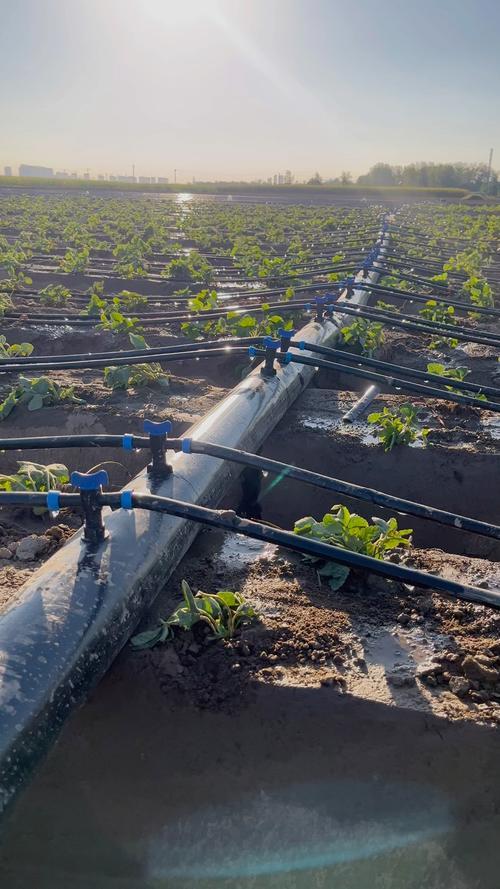
- Lateral lines and drip tape/pipe; These are the terminal water-delivery lines connecting branch pipelines to emitters or water outlets. Flat-emitter drip tape is commonly used.
- Select an appropriate pipe spacing according to the crop. Common spacings include 60 cm, 70 cm, 80 cm, etc.
- Flat-emitter drip tape usually has a diameter of 16 mm. Single-outlet and double-outlet types are available. Common single-outlet flow rates are 1.38 L/h, 2 L/h, and 3 L/h, while the double-outlet type is 4 L/h.
- Common outlet spacings are 20 cm and 30 cm. Other options include 10 cm, 15 cm, and 30 cm. Select the spacing according to the crop.
- The thickness of the drip tape should be selected according to pump pressure, insect damage, wear, and other conditions.
Precautions for Drip Irrigation:
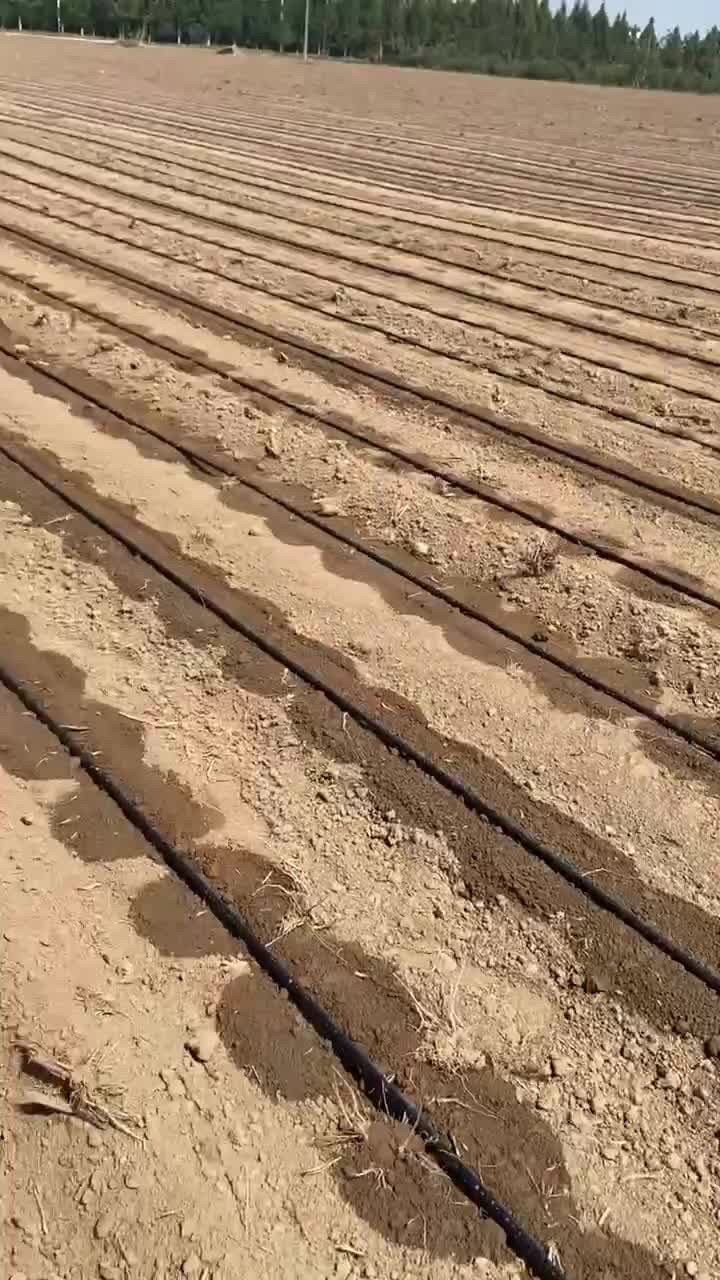
- The water source must be filtered. This is critical for drip irrigation. If the water contains too much sediment, the drip-irrigation pipe network will be prone to clogging.
- Before applying fertilizer, run drip irrigation for approximately 30 minutes to help the fertilizer and crops absorb effectively.
- After fertilization, do not stop drip irrigation immediately. Continue drip irrigation for 30 minutes before shutting the system down. This helps prevent fertilizer residue from clogging the drip tape; otherwise, algae, moss, microorganisms, and other growth may multiply around the outlets and cause blockage.
- The outlets of the drip tape should face upward. This can effectively prevent sediment from clogging the outlets.
- Frequently inspect the field for water leakage, broken pipes, cracked pipes, and other problems.
The above describes the basic principles of drip irrigation. More efficient fully automated integrated systems are also available, and equipment can be added according to actual needs. They are not described in detail here, but examples include mobile-phone control, mobile monitoring, water-quality filtration systems, and integrated fertilizer mixing equipment.


